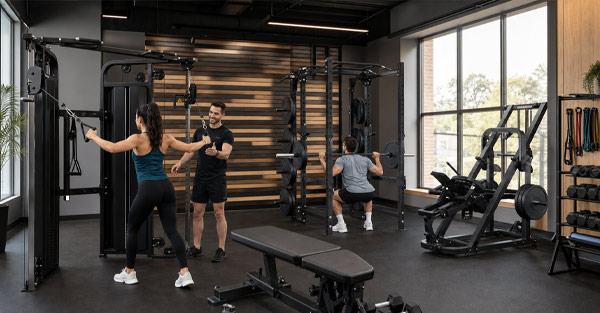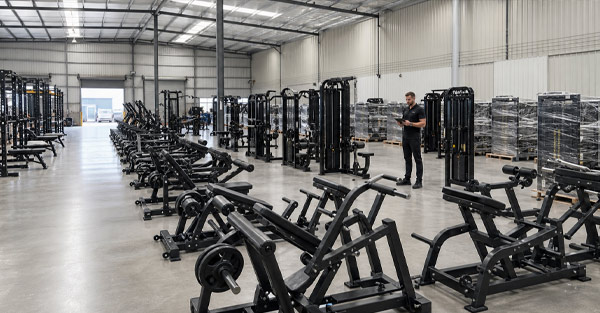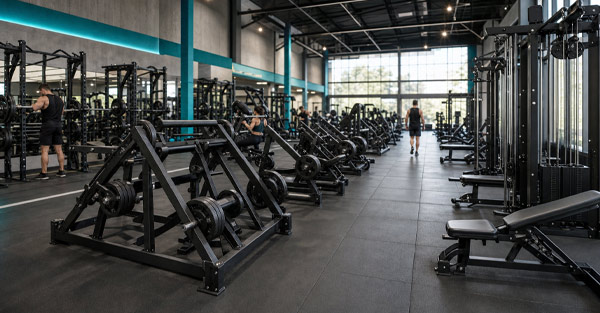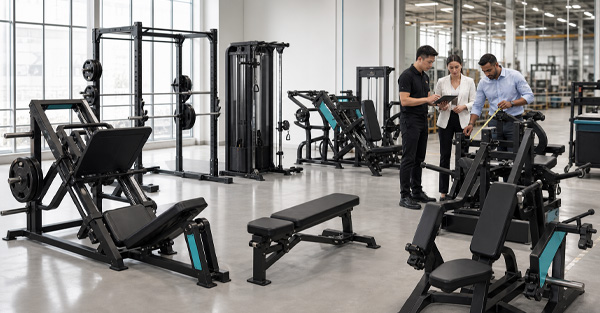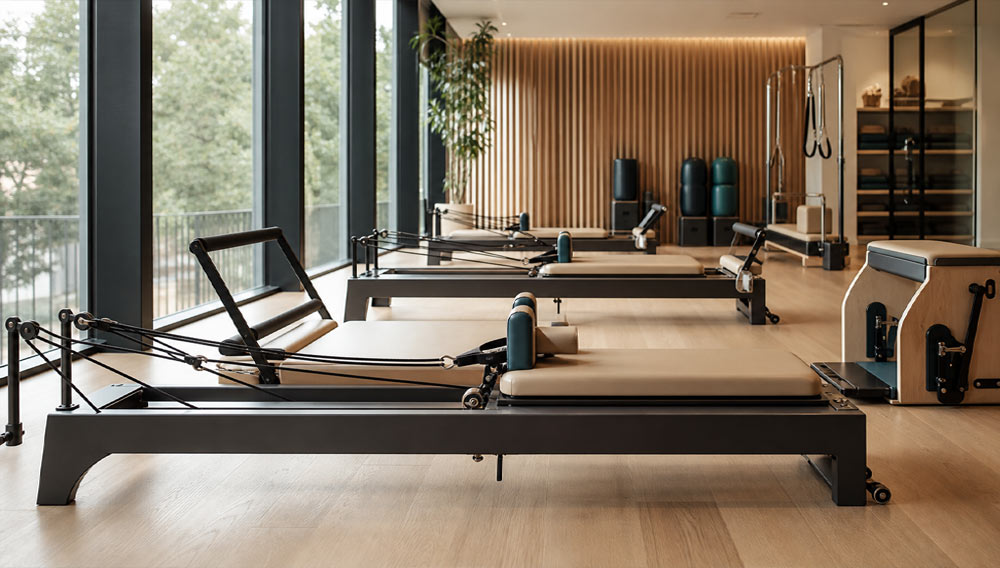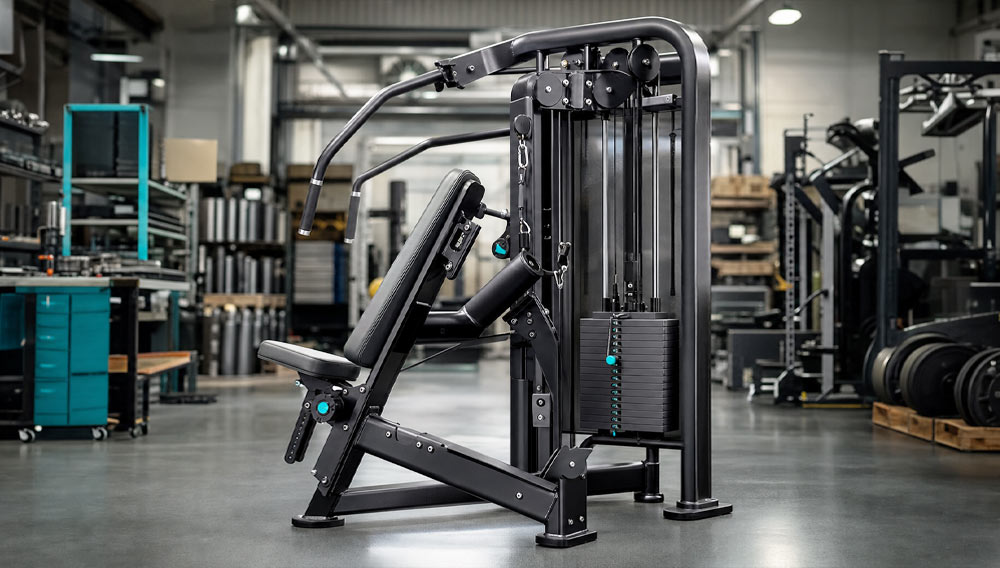
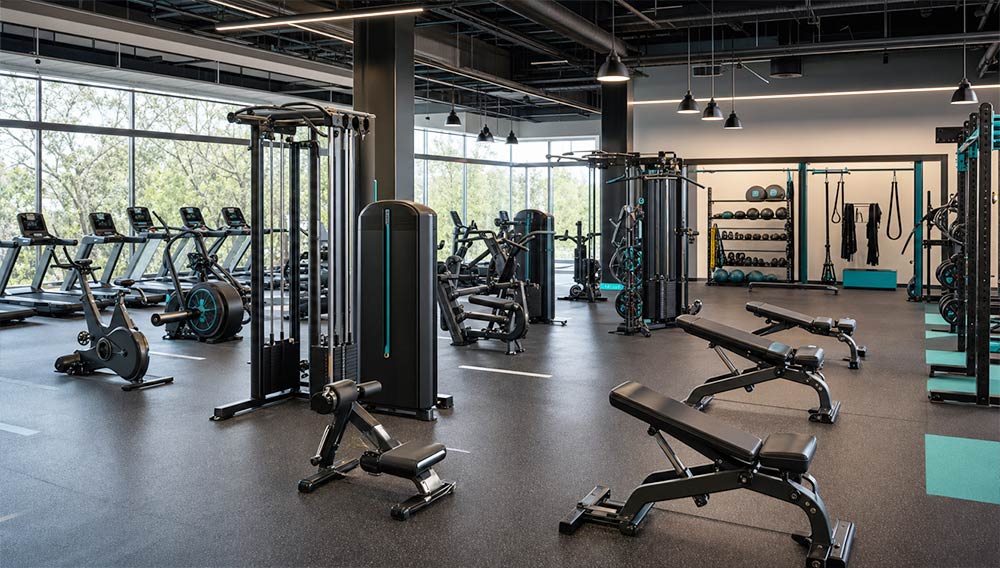
Opening a new gym requires more than filling an empty space with exercise machines. The right commercial fitness equipment can improve member satisfaction, support different training goals and help the facility operate efficiently over the long term.
Before requesting quotations or comparing equipment lists, gym owners and project buyers should clearly understand their target customers, available floor space and business positioning. A premium training studio, a community fitness center and a large commercial gym will require different equipment combinations.
Define Your Target Members
Start by identifying the people who will use the facility. A general commercial gym may need a balanced selection of strength, cardio and functional training equipment. A strength-focused facility may require more plate-loaded machines, racks, benches and free-weight stations.
Facilities serving beginners should include intuitive machines with clear adjustments and controlled movement paths. More experienced members may prefer equipment that offers greater training variety and loading flexibility.
Understanding your target users helps prevent unnecessary purchases and ensures that the most important training needs are covered.
Plan the Equipment Mix
A complete commercial gym commonly includes several equipment areas:
- Strength training machines
- Plate-loaded equipment
- Free weights and benches
- Cardio equipment
- Functional training stations
- Stretching and recovery areas
The final mix should reflect the size and positioning of the gym. Avoid purchasing too many similar machines while overlooking essential movement patterns.
A well-balanced strength area should support pushing, pulling, leg training, core development and full-body exercise. The cardio area can include treadmills, stair climbers and exercise bikes for different exercise preferences.
Evaluate the Available Space
Measure the usable training area before confirming an equipment order. Machine dimensions alone do not represent the total amount of space required. Buyers must also consider access, adjustment areas, user movement and safe circulation between machines.
Large plate-loaded machines may create a powerful visual impression, but they also require more operating space. Selectorized machines can be practical for facilities serving a wide range of users because resistance can be adjusted quickly.
Preparing a basic floor plan can help determine how many machines the facility can accommodate without making the training area feel crowded.
Focus on Commercial-Grade Construction
Commercial fitness equipment is expected to operate frequently and support users with different body sizes and training habits. Buyers should examine frame construction, welding quality, adjustment mechanisms, upholstery and moving components.
Stable equipment provides a more confident training experience. Seats, handles and support pads should feel secure during use, while adjustment points should be easy to operate.
The appearance of the equipment is important, but structural durability and movement performance should remain the primary considerations.
Consider Ergonomics and Movement
Good equipment should guide the user through a natural and controlled movement path. Poor positioning can make an exercise uncomfortable and reduce the effectiveness of the machine.
When comparing commercial strength equipment, consider:
- Seat and backrest adjustment
- Handle position and grip comfort
- Entry and exit convenience
- Movement smoothness
- Range of motion
- Support for different user heights
Whenever possible, review detailed product specifications, videos or physical samples before confirming a large order.
Compare Long-Term Value
The lowest purchase price does not always provide the best long-term value. Equipment that requires frequent repair or early replacement may increase operating costs and affect member satisfaction.
Buyers should consider the complete cost of ownership, including shipping, installation, maintenance, spare parts and expected service life. Dependable construction and practical maintenance can reduce downtime and make daily gym operations more efficient.
Ask About Customization
OEM fitness equipment can help gyms and distributors create a consistent visual identity. Depending on the product, customization may include frame colors, upholstery colors, logos, equipment configurations and packaging.
Before ordering customized equipment, confirm the available options, minimum order requirements, production schedule and approval process. Final specifications should be documented clearly before production begins.
Confirm Delivery and Support
Commercial gym projects often involve many machines, accessories and packages. Clear order coordination is essential.
Before confirming an order, discuss:
- Product specifications
- Packing methods
- Production schedule
- Shipping arrangements
- Installation requirements
- Spare parts
- After-sales communication
Accurate documentation and responsive communication can reduce misunderstandings and help the project progress smoothly.
Build a Gym Around Real Training Needs
Choosing commercial fitness equipment should begin with the gym’s members, space and operating goals. A carefully planned equipment mix can improve training variety, space efficiency and the overall member experience.
Dezhou Paowo Sports Goods Co., Ltd. provides commercial strength equipment, cardio equipment and Pilates solutions for gyms, distributors and international fitness projects. Flexible configurations and customization options are available for different market requirements.